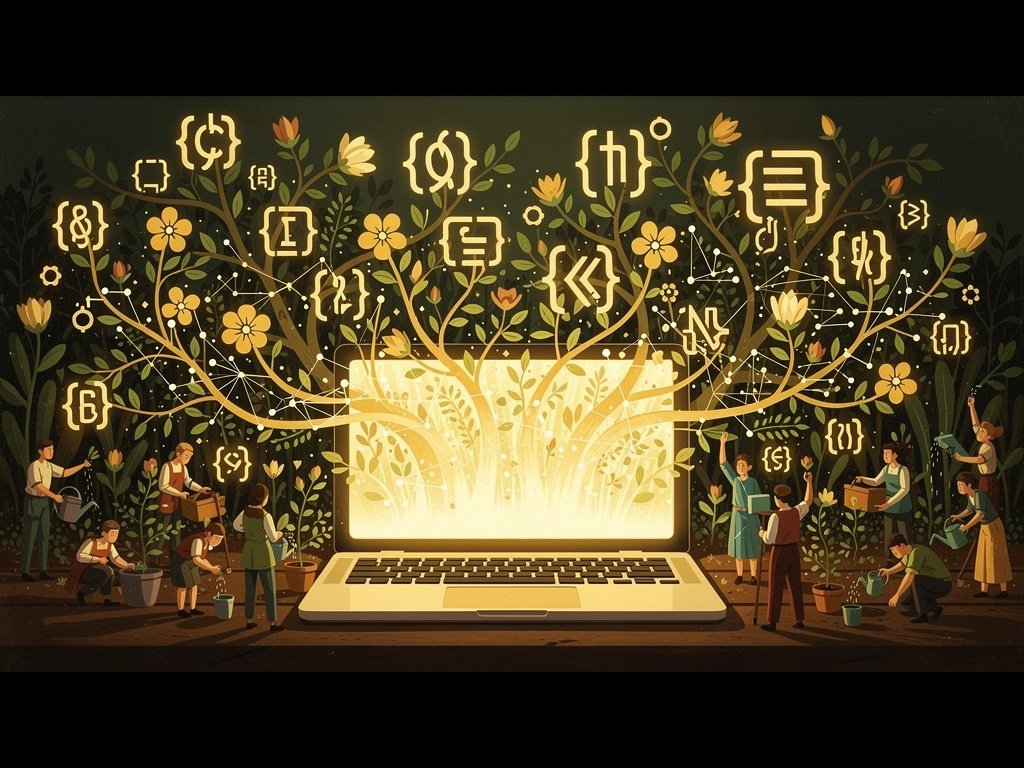
Something shifted in the last couple of years. Open source went from "alternative for idealists" to the default substrate of the entire software industry — and the people building it finally started getting paid attention, and paychecks.
The numbers stopped being ignorable
Roughly 90% of modern applications contain open source components. The operating system running most of the internet, the web servers, the databases, the AI frameworks — all community-born. When a single maintainer's project stalled, half the internet noticed. Repeatedly.
What changed
- Sustainability became a real conversation. Funding platforms, foundation stewardship, and corporate sponsorship turned "free labor" into viable careers for some maintainers.
- Supply-chain scares got boards' attention. Nothing budgets money for open source like a security incident that traces back to an underfunded dependency.
- The AI angle. Training data and model weights became the new frontier of the same old debates — and made open licensing newly strategic for everyone.
Open source won the war of adoption years ago. The current renaissance is about winning the peace: making it sustainable.
Where it goes next
Expect more paid maintainership programs, more license experimentation, and continued friction between commercial users and unpaid maintainers. The model that built the internet is being renegotiated in real time — and the outcome will shape what software looks like for decades.