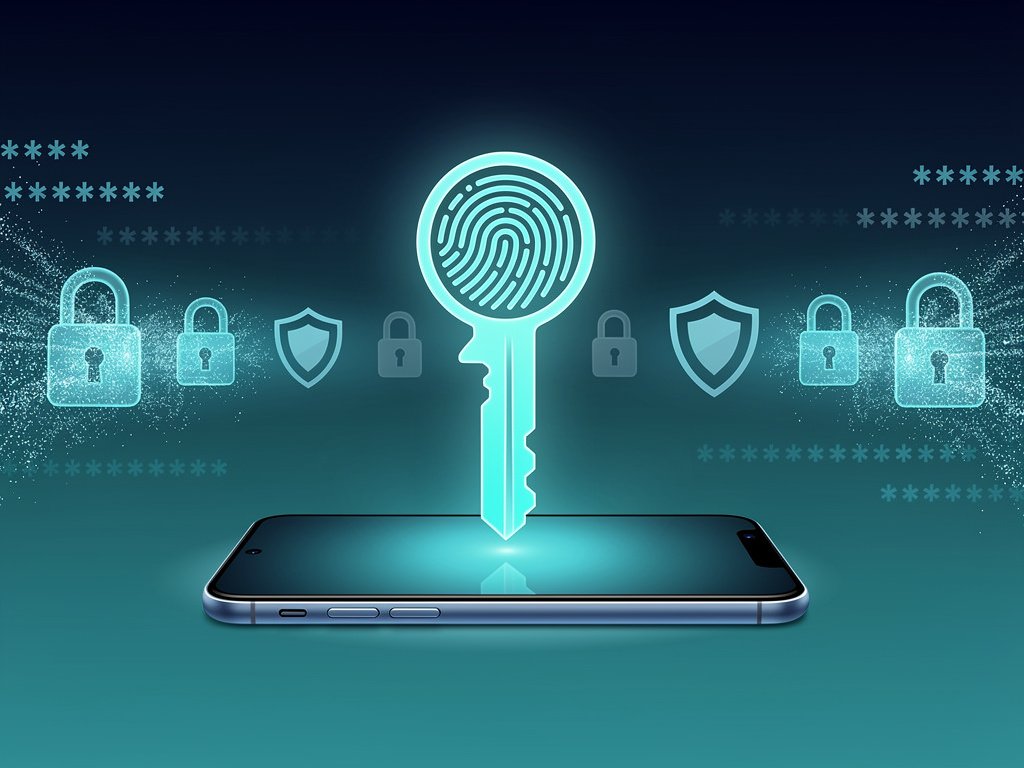
You've seen the prompts: "Try passkeys — faster and safer than passwords." Most explanations then immediately drown you in public-key cryptography. Let's skip that.
The one-sentence version
A passkey is a login that's proven by something you have (your device) plus something like your fingerprint or face — instead of something you know (a password).
Why it's better, in human terms
- Nothing to remember. No password manager entries, no "forgot password" flows on a new device.
- Nothing to phish. Passkeys only work with the real site. A fake login page can't steal what never gets typed.
- Nothing to leak. A site only stores a public key — the equivalent of a lock that's useless without your key, which never leaves your devices.
Phishing works because humans can be tricked into sharing secrets. Passkeys remove the secret entirely.
The honest caveats
Ecosystem lock-in is real: moving passkeys between Apple and Android has gotten better but isn't seamless yet. And recovery matters enormously — if you lose your phone and your backup, you're doing account recovery the old way. Keep a second device or a printed recovery plan.
What to do today
When a site you use offers passkeys, take the 30 seconds to set one up. Start with your email account — it's the master key to everything else. The password won't vanish overnight, but every passkey you create is one fewer secret that can be stolen.